
Tax Changes in 2025: What Businesses Need to Know
As businesses approach 2025, it’s crucial to understand the tax changes that will impact their operations. These tax changes for 2025 can affect everything from corporate tax rates to new credits and deductions. Here’s a breakdown of the key changes you need to be aware of to stay prepared and minimize your tax burden.
1. New Corporate Tax Rates
The corporate tax rate changes in 2025. This mainly affects large corporations.
- Small businesses may see little change.
- Larger businesses may face higher taxes.
Table: Corporate Tax Rates for 2025
|
Income Bracket |
Tax Rate (%) |
|
Up to $50,000 |
15% |
|
$50,000 - $100,000 |
20% |
|
$100,000 - $500,000 |
25% |
|
Over $500,000 |
28% |
Understanding which tax bracket your business falls into is essential for proper financial planning.
2. Changes to Business Deductions
Many common business deductions are updated in 2025. These updates can help reduce your taxable income.
- Business Equipment: Higher limits for capital expenditures.
- Meal Deductions: The 50% deduction for meals remains, but some restrictions apply.
- Home Office Expenses: Simplified rules for claiming deductions.
Businesses should track their expenses carefully to take advantage of these changes.
3. R&D Tax Credit Expansion
In 2025, businesses that invest in research and development (R&D) will benefit from a more generous tax credit. Tax changes for 2025 bring new credits and deductions. Small businesses need to prepare for these changes.
- The R&D credit allows companies to deduct costs related to innovation.
- This expansion is designed to encourage businesses to invest in new technologies.
R&D Tax Credit for 2025
|
R&D Expense Type |
Credit (%) |
|
Qualified Research |
10% |
|
Experimental Costs |
15% |
This increase will help companies in industries such as tech, pharmaceuticals, and manufacturing.
4. Green Initiatives Tax Credits
As sustainability becomes more important, businesses adopting green practices will receive new tax credits.
- Solar Energy: Tax credits for installing solar panels.
- Energy-Efficient Equipment: Additional deductions for energy-efficient systems.
Green Initiatives Tax Credit for 2025
|
Investment Type |
Tax Credit (%) |
|
Solar Energy Systems |
30% |
|
Energy-Efficient Tech |
20% |
Businesses in sectors like manufacturing, construction, and retail can leverage these incentives.
5. Paid Leave and Family Benefits Expansion
Changes in paid family leave rules will affect businesses with employees in 2025. More businesses will need to offer paid leave.
- Paid Family Leave: Companies must offer paid leave for family-related events.
- Tax Credit for Leave: Tax credits to offset the cost of paid leave.
Paid Leave Tax Credit for 2025
|
Leave Type |
Credit (%) |
|
Family and Medical Leave |
15% |
|
Maternity/Paternity Leave |
10% |
These changes can impact payroll and administrative costs, but the tax credits will help reduce financial pressure.
6. State and Local Tax Changes
State and local tax changes are also important to monitor in 2025. Each state can implement its own set of tax rules and rates.
- Sales Tax: Some states may increase sales tax rates.
- State Income Tax: Adjustments to tax brackets in certain states.
Businesses should check their state’s specific tax laws and adjust accordingly.
7. International Tax Rule Changes
For businesses that operate internationally, new tax rules are being implemented in 2025.
- Foreign Income: Changes to how foreign income is taxed.
- Cross-border Transactions: New regulations for international business dealings.
These changes are meant to reduce tax avoidance and ensure compliance with global tax standards.
8. Increased Reporting Requirements
2025 will bring about stricter reporting requirements for businesses.
- Financial Transparency: Companies must provide more detailed financial data.
- New Forms: Additional paperwork to report tax payments and deductions.
This helps businesses follow tax rules. It also works to prevent fraud.
9. Impact on Tax Filing Deadlines
Deadlines may not change much in 2025. Some businesses may get new extensions or adjusted dates.
- Extension Deadlines: Certain business structures may see longer filing periods.
- New Penalties: Penalties for late filings may be stricter.
It's essential to stay updated on filing deadlines to avoid fines.
Tax Planning Tips for 2025
Review Business Structure
- Check if your business structure (LLC, Corp, S-Corp) is still the best.
- Changes in tax laws may make switching better.
- Talk to a tax expert to see if a switch helps.
- S-Corp can help you save on taxes.
Maximize Deductions
- Use all tax deductions, like business costs and R&D.
- Track new expenses—they may qualify for deductions.
- Check past expenses to find missed deductions.
- Buy equipment to use faster depreciation.
Estimate Tax Liabilities
- Estimate taxes early to avoid penalties.
- Use software or a pro to track taxes and profits.
- Plan for quarterly payments to avoid big bills.
- Adjust estimates if your income changes.
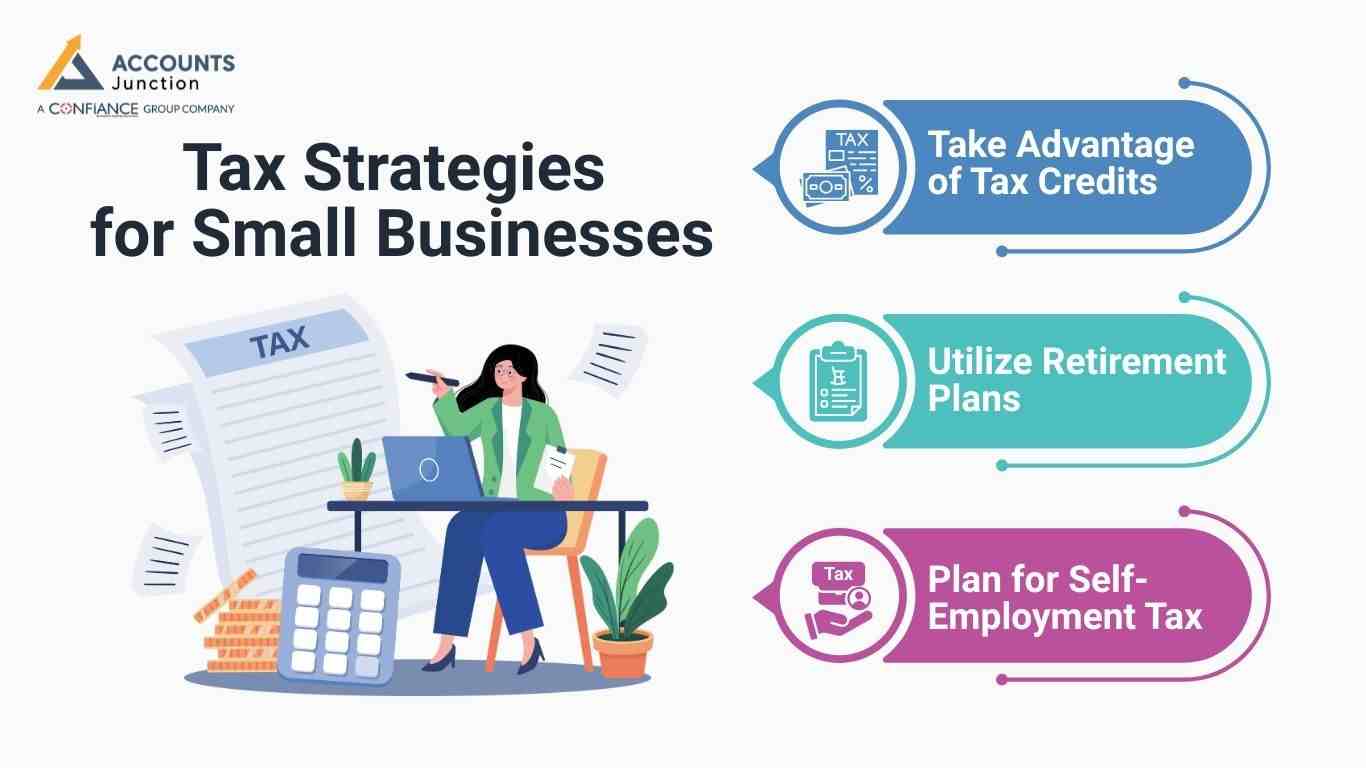
Tax Strategies for Small Businesses
Take Advantage of Tax Credits
- Look for R&D and Energy Tax Credits.
- Some states offer extra credits for small businesses.
- Check credits for hiring veterans or the long-term unemployed.
- Use WOTC for hiring from target groups.
Utilize Retirement Plans
- Contributions to 401(k) or SEP IRA reduce taxable income.
- Employer contributions are tax-deferred.
- Consider SIMPLE IRA for fewer employees.
- Check yearly limits to maximize contributions.
Plan for Self-Employment Tax
- Track income and costs to lower tax.
- Use deductions like home office or health insurance.
- Think about forming an S-Corp to cut taxes.
State Tax Changes and Their Impact
State-Specific Tax Credits
- States offer local tax incentives.
- California and Texas offer job credits.
- Some states offer breaks for clean energy.
- Look for credits for training programs.
State Sales Tax Adjustments
- Sales tax rates may change, especially for online sales.
- Check economic nexus laws for online sales tax.
- Stay updated on tax rules for digital goods in your state.
- If you sell in multiple states, track sales tax changes.
Property Taxes
- Property taxes may rise in some states.
- Review property tax changes if you own property.
- Check for new exemptions or deductions for energy upgrades.
The Importance of Tax Compliance and Record-Keeping
Accurate Record-Keeping
- Track all business costs.
- Use tools to make record-keeping easy.
- Save receipts and invoices to avoid searching.
- Keep backup records for audits.
Tax Filing Deadlines
- Track key tax deadlines to avoid penalties.
- Set reminders for payments and filings.
- Work with a pro to avoid filing errors.
- Stay updated on changes to deadlines.
Avoiding Common Mistakes
- Avoid misclassifying workers or missing deductions.
- Double-check forms before sending.
- Use software to reduce errors.
- Review records once a year.
How Tax Changes Affect Business Growth
Investment in New Markets
- Tax breaks for clean energy and job creation can help expand.
Credits may help enter new markets. - Check grants and funding for new ventures.
- Look for local incentives in new markets.
Hiring and Employee Retention
- Credits for keeping employees can save money.
- Use tax breaks to offer better benefits or create jobs.
- Take advantage of credits for hiring certain groups.
- Offer competitive pay to qualify for tax breaks.
Scaling Operations
- Invest in tech or equipment for deductions.
- Use faster depreciation for assets.
- Check if adding workers gives tax breaks.
- Look for grants to help expand.
Emerging Tax Issues to Watch for in 2025
Digital Goods and Services Tax
- New rules may apply to digital goods.
- Stay updated on sales tax for digital products.
- Watch for international tax changes for digital goods.
- Talk to an expert if you sell digital goods globally.
Artificial Intelligence and Automation
- Using AI and automation may affect your deductions.
- Some areas offer tax breaks for automation.
- Track AI costs for possible deductions.
- Look for tax benefits for tech that helps the environment.
Global Tax Changes
- Global tax changes may impact your business.
- Talk to tax experts if you have overseas operations.
- Stay aware of global tax rules and deals.
- Check how global changes may affect you.
Technology Investments and Tax Implications
Businesses that invest in technology may find new ways to save on taxes in 2025.
Purchasing software, automation tools, or cloud solutions may qualify for accelerated depreciation or tech-specific credits.
Using digital infrastructure can reduce operating costs and may create deductions on tax returns.
Keeping detailed records of technology purchases ensures eligibility for these potential credits.
Tax changes for 2025 may reward companies adopting modern tech to streamline operations.
Potential Tax Benefits for Tech Investments
|
Tech Investment Type |
Possible Deduction / Credit |
|
Software & SaaS |
Up to 20% deduction |
|
Automation Tools |
Eligible for accelerated depreciation |
|
Cloud Infrastructure |
Expense deductions may apply |
Tracking tax changes for 2025 can reduce costs effectively. Accounts Junction provides services to monitor and manage these changes efficiently. We have certified experts ensuring your records remain accurate and compliant. Partner with us for seamless tax management.
FAQs
1. What are the major corporate tax changes in 2025?
- Corporate tax rates are updated in 2025, affecting larger businesses more than small companies.
2. Which new deductions are available for small businesses in 2025?
- Businesses may claim deductions for meals, home offices, and higher limits on equipment purchases.
3. How does the 2025 R&D tax credit expansion work?
- Businesses investing in innovation may claim higher credits for qualified research and experimental costs.
4. Are there new tax credits for green energy projects in 2025?
- Yes, companies installing solar systems or energy-efficient equipment may get tax credits up to 30%.
5. How will paid family leave changes affect tax credits in 2025?
- Employers offering paid leave may qualify for tax credits covering a portion of leave costs.
6. Do the 2025 tax changes affect home office deductions?
- Yes, simplified rules in 2025 make it easier for businesses to claim home office expenses.
7. Will international businesses face new tax rules in 2025?
- Businesses with foreign income may need to follow updated regulations for cross-border transactions.
8. What are the state tax updates to watch in 2025?
- Certain states may adjust sales tax rates, income brackets, and local tax incentives for businesses.
9. How can small businesses maximize the R&D credit in 2025?
- By documenting eligible research expenses and tracking experimental costs for potential deductions.
10. Which industries benefit most from green initiative credits?
- Manufacturing, construction, and retail companies adopting energy-efficient practices can benefit the most.
11. Are mergers and acquisitions affected by the 2025 tax changes?
- Yes, corporate tax adjustments may impact liabilities, deductions, and post-merger credits.
12. How do technology investments affect taxes in 2025?
- Costs for software, automation tools, or cloud solutions may qualify for deductions or accelerated depreciation.
13. What new reporting requirements will businesses face in 2025?
- Companies may need to provide more detailed financial data and submit additional tax forms.
14. Do the 2025 tax changes impact self-employed business owners?
- Self-employed individuals may see updates in deductions for home offices, retirement plans, and health coverage.
15. Will property tax changes in 2025 affect business operations?
- Property tax rates may rise, but some exemptions or deductions for energy-efficient improvements may apply.
16. How do sales tax rules change for digital goods in 2025?
- Businesses selling digital products may need to track state-specific sales tax and comply with new regulations.
17. Can businesses combine multiple 2025 tax credits?
- Yes, eligible businesses may claim R&D, green initiatives, and paid leave credits simultaneously.
18. What penalties may businesses face for non-compliance in 2025?
- Late filings, incomplete reporting, or missed deductions can result in stricter penalties or fines.
19. How can businesses track new deductions and credits efficiently in 2025?
- Accounting or bookkeeping tools can capture expenses and ensure eligibility for new credits.
20. What tax planning steps should businesses take for 2025?
- Estimate liabilities early, review structure, track deductions, and monitor state and international tax changes.