Remote Accounting Tips for the Modern Workplace
Remote accounting means managing a company’s financial tasks and bookkeeping from a remote location instead of an office. With cloud-based accounting software, businesses can now collaborate with experienced remote accountants and bookkeepers to manage their finances efficiently. Remote accounting allows companies to access professional services from anywhere, making it a cost-effective and efficient solution for businesses of all sizes.
A remote accountant handles various financial tasks, including managing accounts payable and receivable, preparing financial statements, reconciling accounts, and ensuring tax compliance. To keep the books up-to-date, a remote bookkeeper manages daily financial transactions. These tasks can be performed efficiently from any location, as long as the necessary tools and systems are in place.
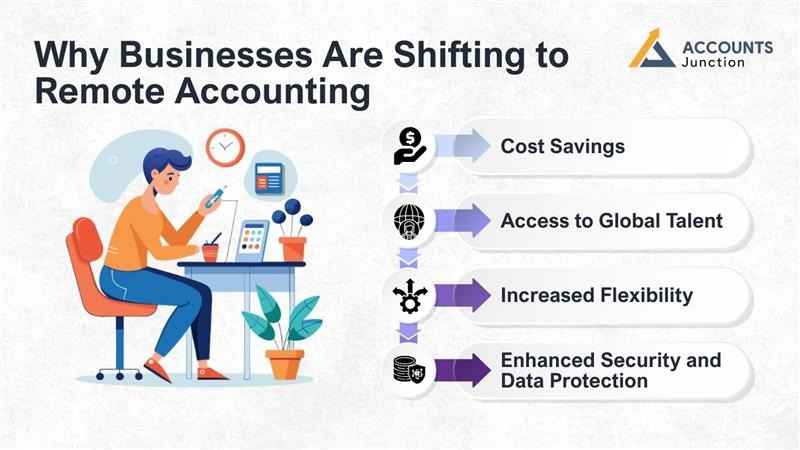
Why Businesses Are Shifting to Remote Accounting
The trend of businesses shifting to remote accounting has gained momentum over the past few years. Several factors contribute to this significant transition, making remote accounting an appealing option for modern businesses.
One of the main reasons is the reduction in overhead costs. Hiring a full-time in-house accountant or bookkeeper can be costly, especially for small businesses. Remote accounting services let companies access skilled professionals without the need for office space, equipment, or employee benefits. Businesses are no longer limited by location, allowing them to access a global pool of accounting experts.
Remote accounting services also offer enhanced flexibility. Business owners can communicate with their remote accountant or bookkeeper online for real-time financial updates. This flexibility is valuable for fast-paced businesses, allowing them to make quick, informed financial decisions.
Increased security and data protection from cloud-based systems is another key reason businesses are adopting remote accounting services. Many remote accounting services use advanced encryption and backup systems to protect financial data, giving businesses peace of mind.
The shift to remote accounting services has been growing rapidly in recent years. Many businesses prefer this approach due to its cost-effectiveness, flexibility, and security. Here are the key reasons why companies are choosing remote accounting over traditional in-house accounting.
1. Cost Savings
- Hiring a full-time accountant or bookkeeper can be expensive.
- Remote accounting services help businesses save money by eliminating costs related to office space, equipment, and employee benefits.
- Businesses can access skilled professionals at a lower cost.
2. Access to Global Talent
- Companies are no longer restricted to hiring local accountants.
- They can work with the best remote accountants and bookkeepers from anywhere in the world.
- This ensures high-quality accounting services at competitive prices.
3. Increased Flexibility
- Business owners can communicate with their remote accountant anytime.
- Real-time financial updates help in making quick, informed decisions.
- Ideal for fast-paced businesses that need instant financial insights.
4. Enhanced Security and Data Protection
- Remote accounting services use cloud-based systems with strong encryption.
- Financial data is backed up regularly, reducing the risk of data loss.
- Businesses can have peace of mind knowing their financial records are secure.
Benefits of Hiring a Remote Accountant
Cost-Effective Solution
- Saves on overhead costs like office space, utilities, and employee benefits.
- Offers flexible pricing models, reducing financial strain on businesses.
Access to Expertise
- Gain access to highly skilled accountants without geographical limitations.
- Benefit from specialized knowledge in tax regulations, financial reporting, and compliance.
Increased Flexibility
- Work with accountants in different time zones, ensuring round-the-clock support.
- Scale services up or down based on business needs.
Real-Time Financial Insights
- Cloud-based accounting tools enable real-time access to financial reports.
- Helps businesses make informed financial decisions quickly.
Enhanced Data Security
- Remote accountants use secure cloud platforms with encryption and regular backups.
- Reduces the risk of data loss due to hardware failures or cyber threats.
Time-Saving Efficiency
- Eliminates the need for in-house bookkeeping, allowing business owners to focus on growth.
- Streamlines financial processes, reducing manual errors and delays.
Seamless Integration with Accounting Software
- Remote accountants are proficient in tools like Xero, QuickBooks, and Zoho Books.
- Ensures smooth integration with other business software for improved workflow.
How a Remote Bookkeeper Can Streamline Financial Management
Outsourcing your bookkeeping tasks is one of the best strategies for saving time and money for your business. Here’s how a remote bookkeeper can help in your business’ financial management:
- Automates Routine Tasks: A remote bookkeeper automates tasks like invoicing, bill payments, and bank reconciliations, saving time and reducing errors.
- Keeps Financial Records Up to Date: They record transactions promptly, providing accurate and current financial data for decision-making.
- Improves Cash Flow Management: A remote bookkeeper handles accounts payable and receivable to ensure smooth cash flow and prevent delays.
- Ensures Tax Compliance: They stay updated on tax laws, ensure compliance, and help businesses avoid penalties.
- Provides Regular Financial Reports: A remote bookkeeper generates regular financial statements to keep business owners informed about their financial health.
- Enhances Accuracy: With advanced software and systems, they reduce the risk of errors, ensuring the accuracy of financial data.
- Offers Strategic Insights: By analyzing financial data, they provide valuable insights and recommendations that help businesses make informed decisions.
Furthermore, a remote bookkeeper can provide timely financial insights that help business owners make informed decisions. Real-time financial data allows business owners to easily assess cash flow, profitability, and other key metrics. This proactive approach enables businesses to stay ahead of financial challenges and take advantage of growth opportunities.
Why Choose Accounts Junction for Remote Accounting Services?
Expertise Across Multiple Industries
- We have extensive experience handling accounting for industries like retail, e-commerce, healthcare, real estate, and more.
- Our team understands the unique financial needs and compliance requirements of various sectors.
Certified Accounting Professionals
- Our remote accountants are certified experts in Xero, QuickBooks, Zoho Books, and other leading accounting software.
- We stay updated with the latest tax laws, financial regulations, and industry best practices.
Cost-Effective & Scalable Solutions
- We offer flexible pricing plans to fit the needs of small businesses, startups, and large enterprises.
- As your business grows, our services can easily scale to meet your increasing financial complexities.
Real-Time Access to Financial Data
- With cloud-based accounting, you can access your financial reports anytime, anywhere.
- Our team ensures up-to-date bookkeeping and financial insights to help you make informed business decisions.
Data Security & Confidentiality
- We use encrypted cloud storage and multi-layer security to protect your financial data.
- Strict confidentiality policies ensure your sensitive business information remains secure.
As businesses continue to embrace digital transformation, remote accounting services are becoming an essential tool for managing financial operations efficiently. Whether you need a remote accountant for planning or a remote bookkeeper for daily tasks, outsourcing accounting offers clear benefits. Remote accounting services help businesses reduce costs, improve efficiency, and access expert financial support, no matter their location.
FAQs
1. What tasks can a remote accountant handle?
- A remote accountant handles tasks like preparing financial statements, managing accounts payable and receivable, reconciling accounts, filing taxes, and offering strategic financial advice.
2. How secure is remote accounting?
- Remote accounting is secure, with many services using advanced encryption and cloud systems to protect sensitive financial data. These systems also offer regular backups to ensure data is not lost.
3. What are the costs associated with remote accounting services?
- The cost of remote accounting services varies based on the services provided and the complexity of your business's financial needs. However, it is generally more cost-effective than hiring a full-time in-house accountant.
4. How does a remote bookkeeper help with financial management?
- A remote bookkeeper handles daily tasks like recording transactions, managing invoices, and reconciling bank accounts. By managing tasks remotely, businesses keep their financial records up to date, reducing errors and boosting efficiency.
5. Can remote accounting work for small businesses?
- Yes, it can. Remote accounting services are ideal for small businesses that want professional help without hiring full-time staff. A remote accountant can manage your books, taxes, and reports at a fraction of the cost, keeping your finances in order while you focus on growth.
6. What tools do remote accountants use?
- Most remote accountants use cloud-based tools like QuickBooks Online, Xero, or Zoho Books. These platforms let both the business owner and the remote bookkeeper view the same financial data anytime, ensuring accuracy and smooth collaboration.
7. How can I share financial data safely with a remote accountant?
- You can share data through secure cloud platforms or encrypted file-sharing systems. Remote accounting services often include built-in security layers that protect your information from unauthorized access.
8. Can I track my accounts in real time with remote accounting?
- Yes, you can. Remote accounting software updates financial records instantly. You can log in anytime to see invoices, cash flow, or balance sheets, giving you a clear picture of your finances without waiting for reports.
9. What makes a good remote accountant?
- A good remote accountant is detail-oriented, communicates clearly, and understands your industry. They should also be familiar with remote collaboration tools and modern accounting software.
10. How does a remote bookkeeper communicate with clients?
- Communication is usually done through email, video calls, or chat tools like Slack or Microsoft Teams. Most remote accounting services also use shared dashboards where you can check tasks and updates.
11. Are remote accounting services suitable for startups?
- Yes, absolutely. Startups often work with tight budgets, and hiring a remote accountant helps them save on office costs. Plus, remote accounting offers flexibility to scale services as the business grows.
12. How can remote accounting improve cash flow?
- A remote accountant or bookkeeper monitors incoming and outgoing payments regularly. They ensure invoices are paid on time, reducing late fees and improving cash flow consistency.
13. Do remote accountants handle tax preparation too?
- Yes, many remote accountants manage tax planning and preparation. They ensure compliance with tax laws, file returns correctly, and identify possible deductions to reduce liabilities.
14. What are the main benefits of cloud-based remote accounting?
- Cloud-based remote accounting allows instant access to financial data, faster updates, and automatic backups. It removes the need for manual record-keeping and gives more control over business finances.
15. How do I know if remote accounting is right for my business?
- If you want professional financial support without managing in-house staff, remote accounting can be a great fit. It suits businesses that value flexibility, cost savings, and real-time data access.
16. Can remote accountants work across different time zones?
- Yes, they can. Many remote accountants offer flexible schedules to support clients in different countries. This global reach ensures your books are managed even when your office is closed.
17. What kind of reports can a remote bookkeeper provide?
- A remote bookkeeper can prepare reports like profit and loss statements, balance sheets, and cash flow summaries. These reports help you track your financial performance and plan ahead.
18. How often will I get financial updates from my remote accountant?
- That depends on your business needs. Some businesses prefer weekly updates, while others get monthly summaries. Most remote accounting services can customize the frequency of reporting for you.
19. Do remote accounting services integrate with other business tools?
- Yes, many remote accounting systems integrate with CRM tools, payroll apps, and inventory software. This connection helps create a smooth and accurate flow of data across your business.
20. Can I switch from an in-house accountant to a remote accountant easily?
- Yes, the transition can be simple. Most remote accounting services have a clear onboarding process. They collect your existing data, migrate it securely, and set up systems for ongoing financial management.